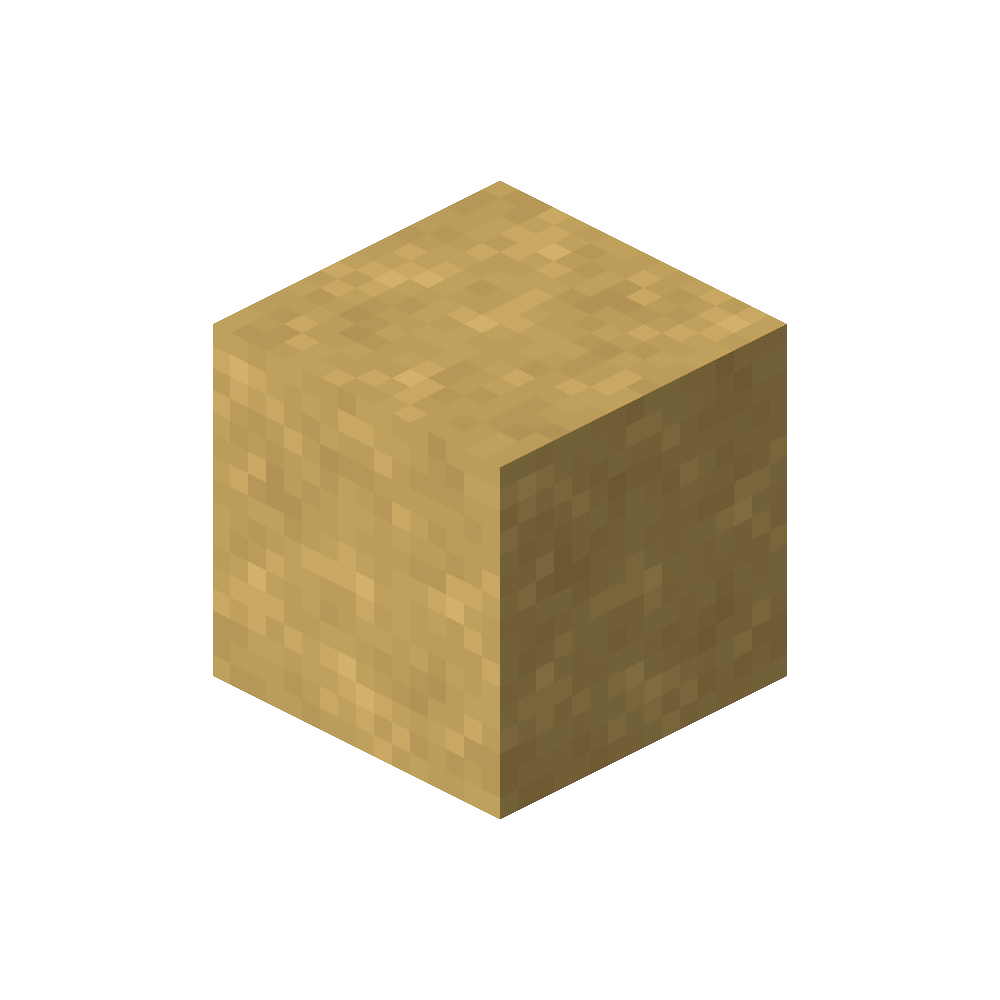
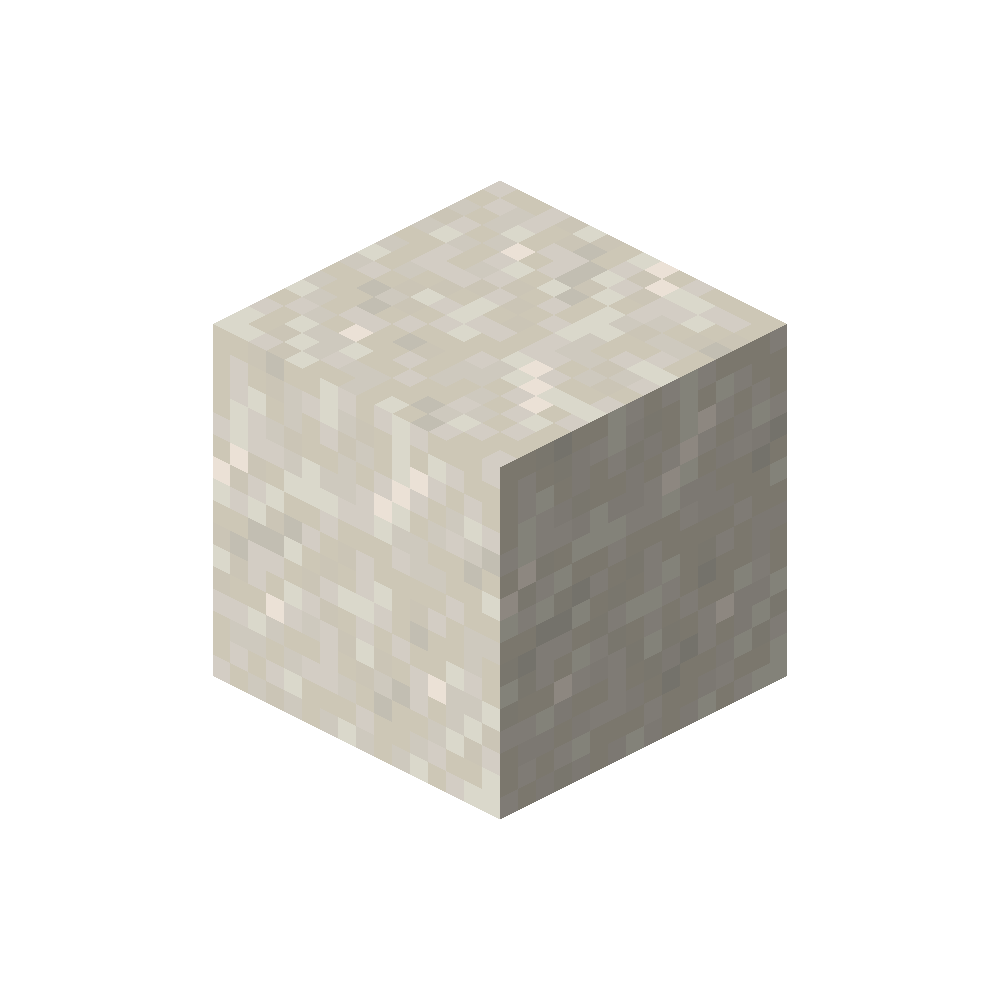
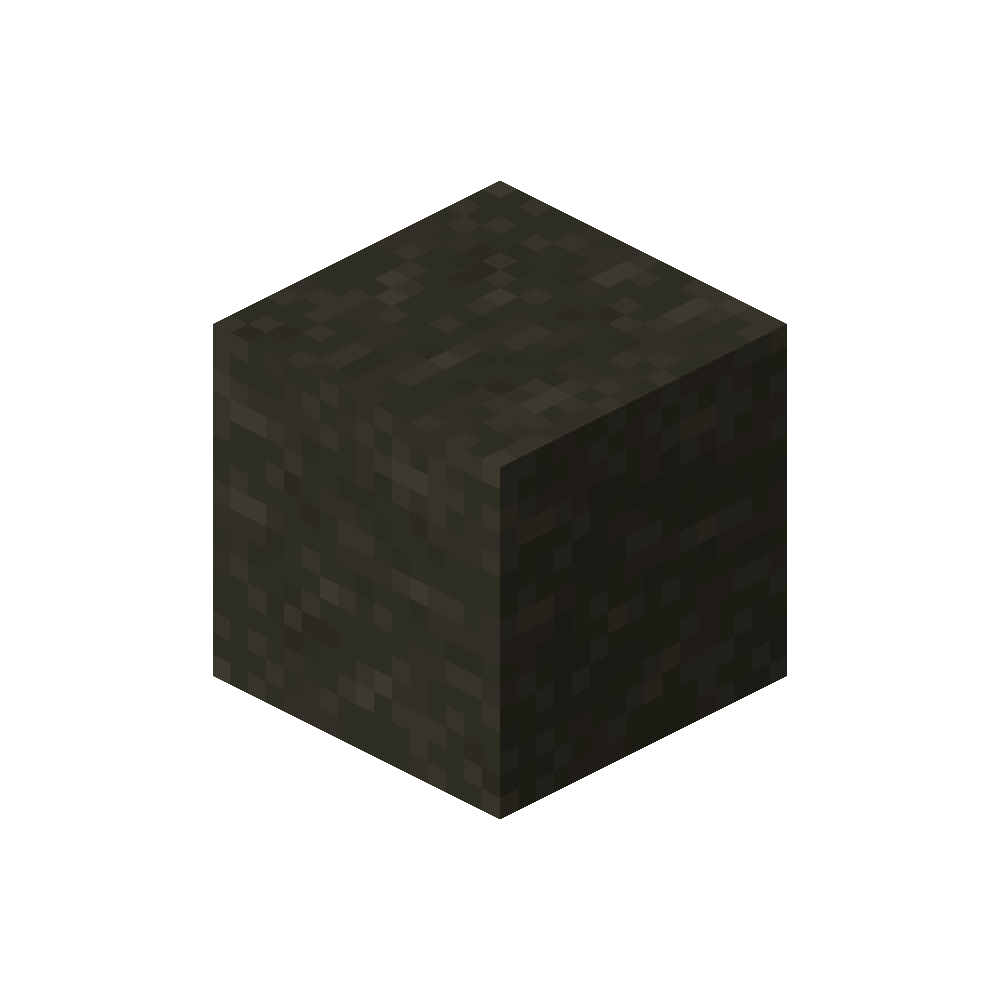
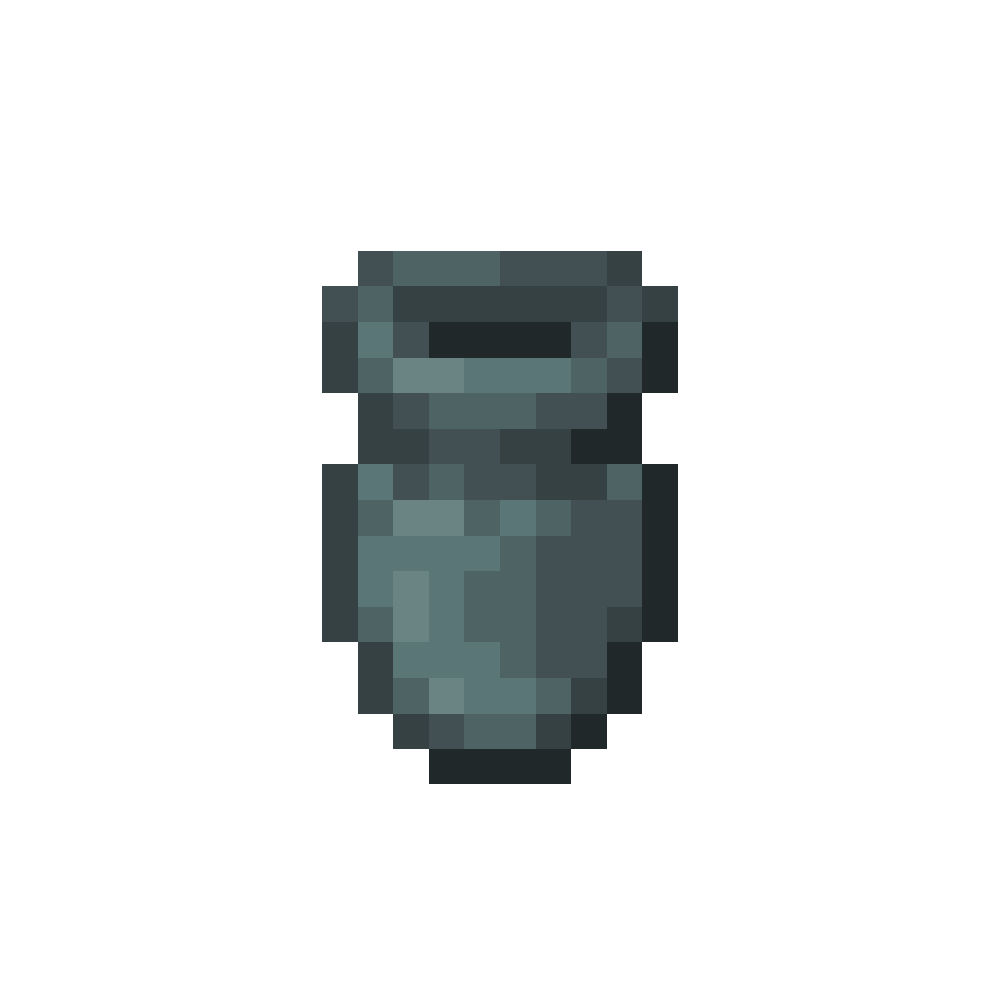
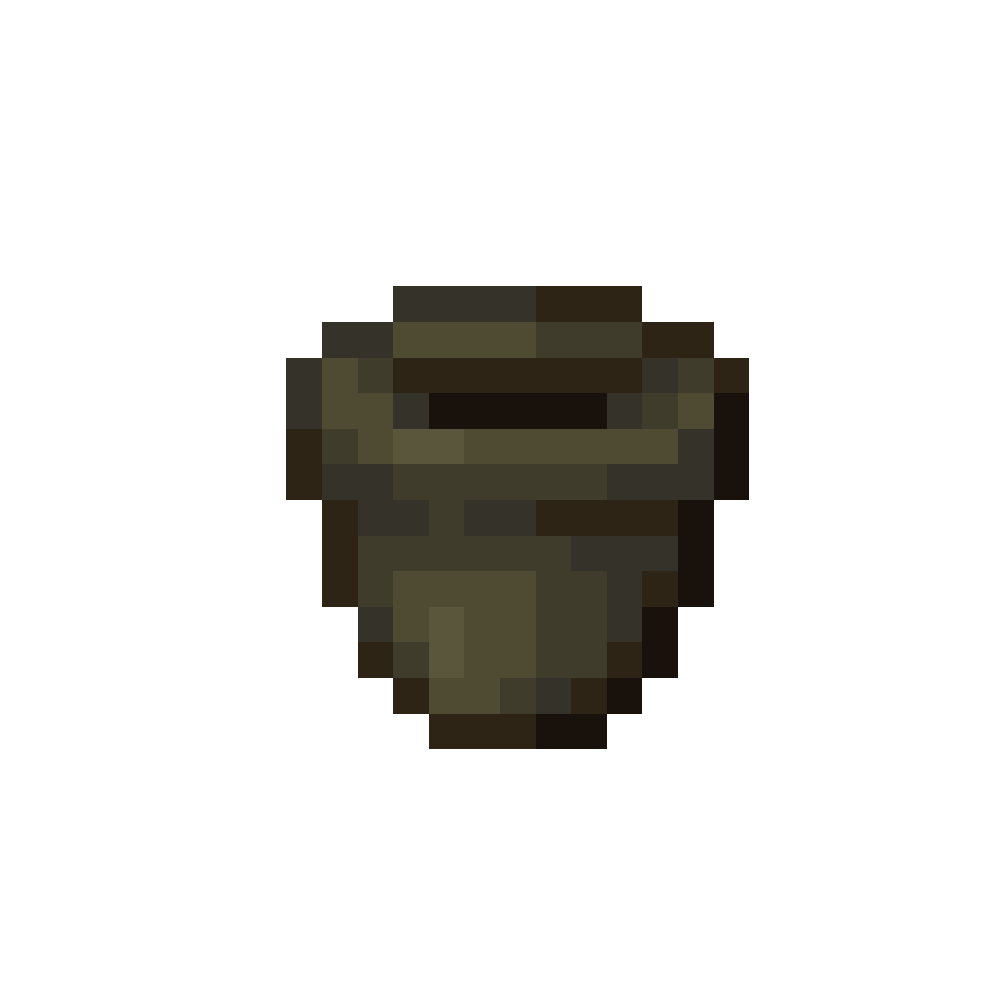
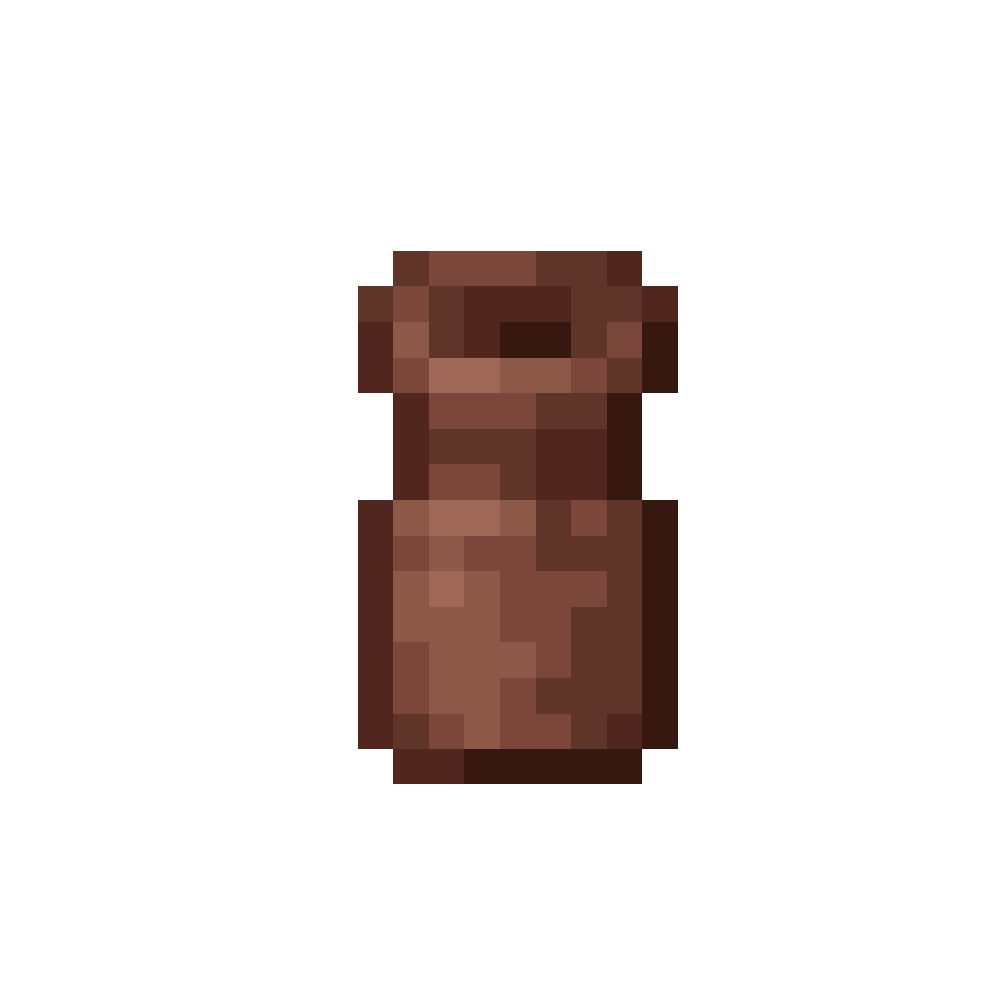
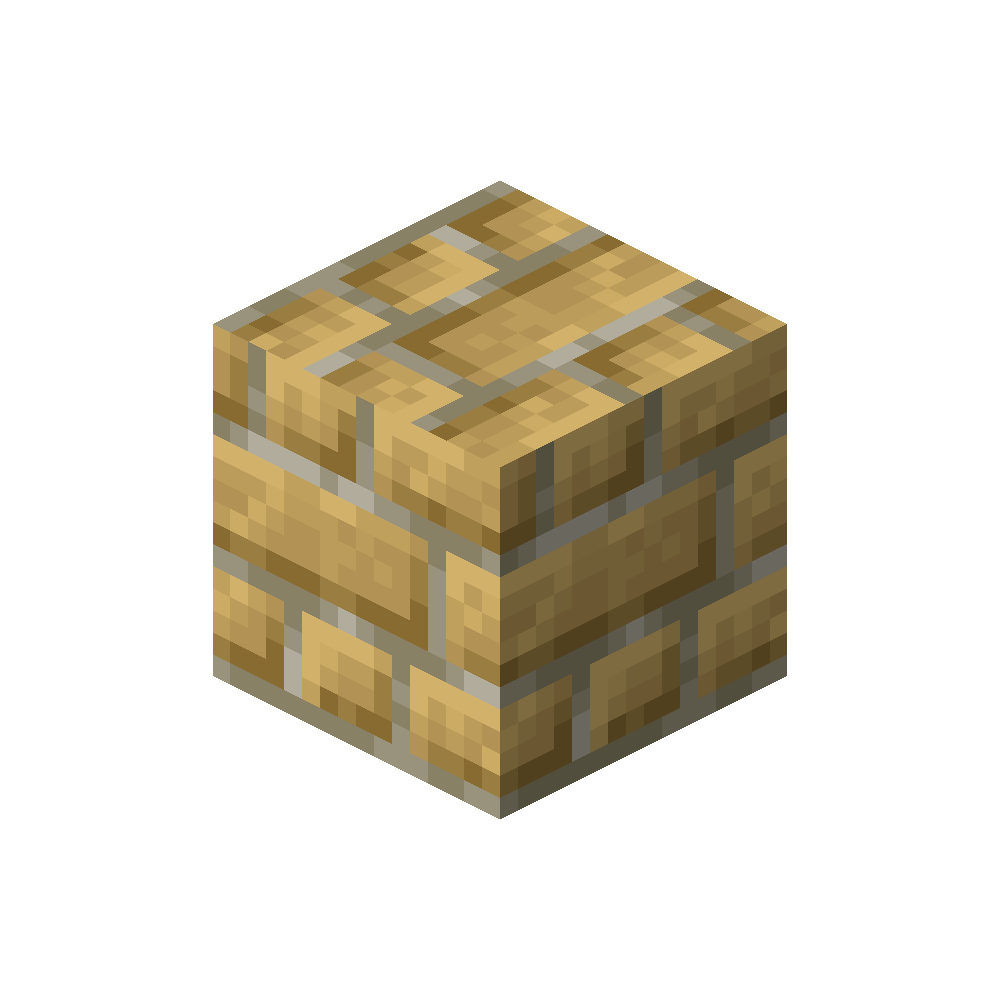
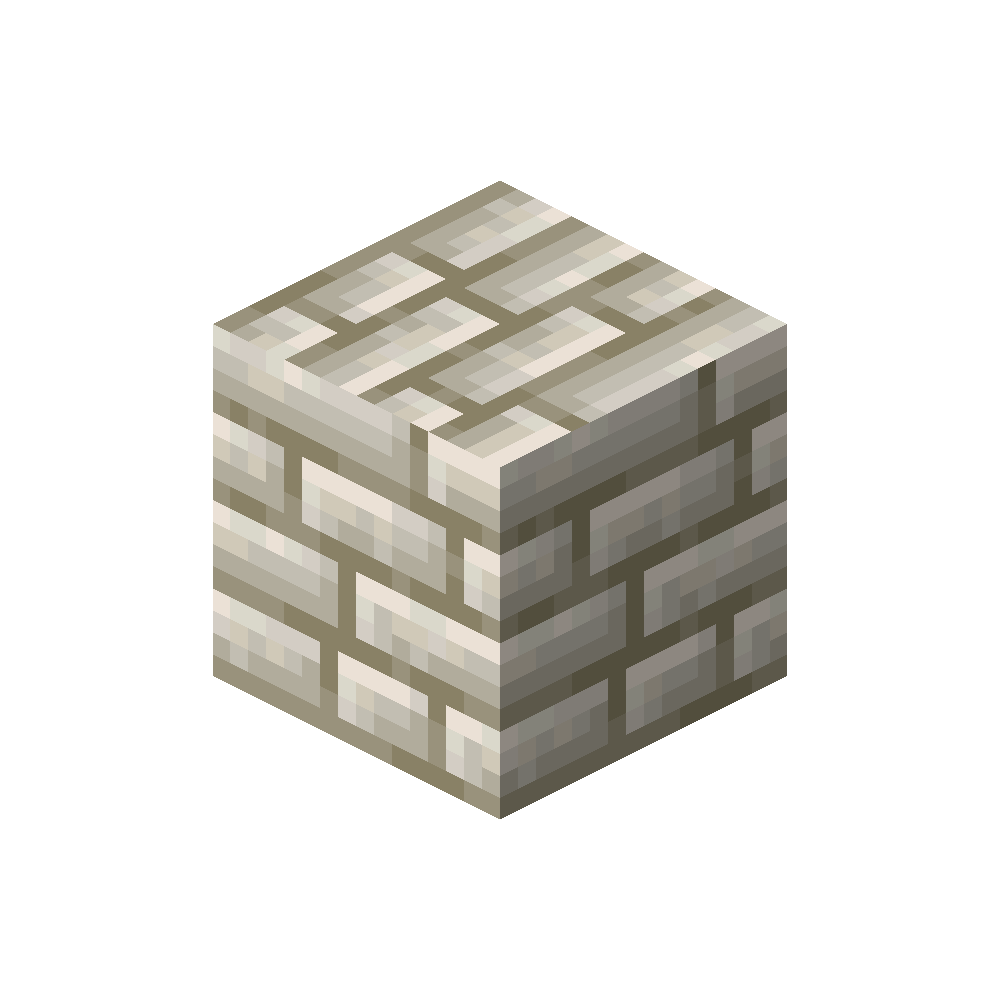
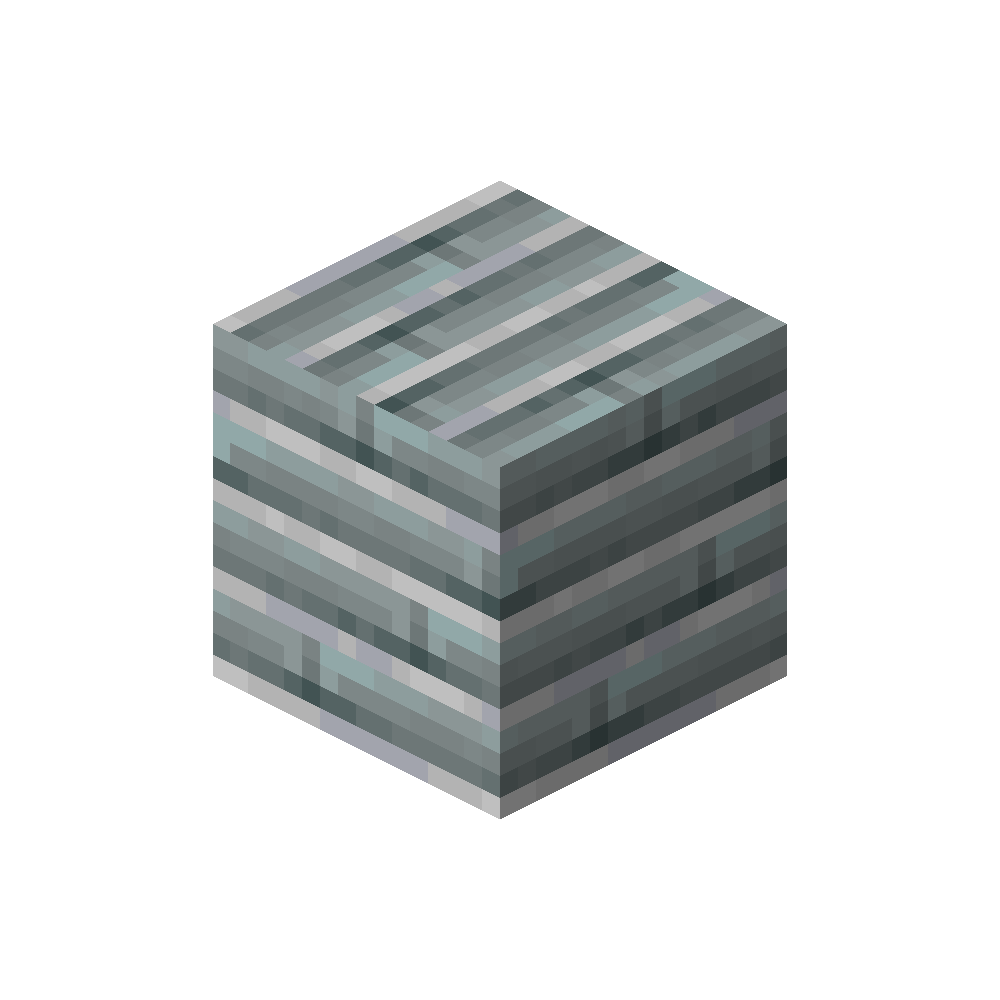
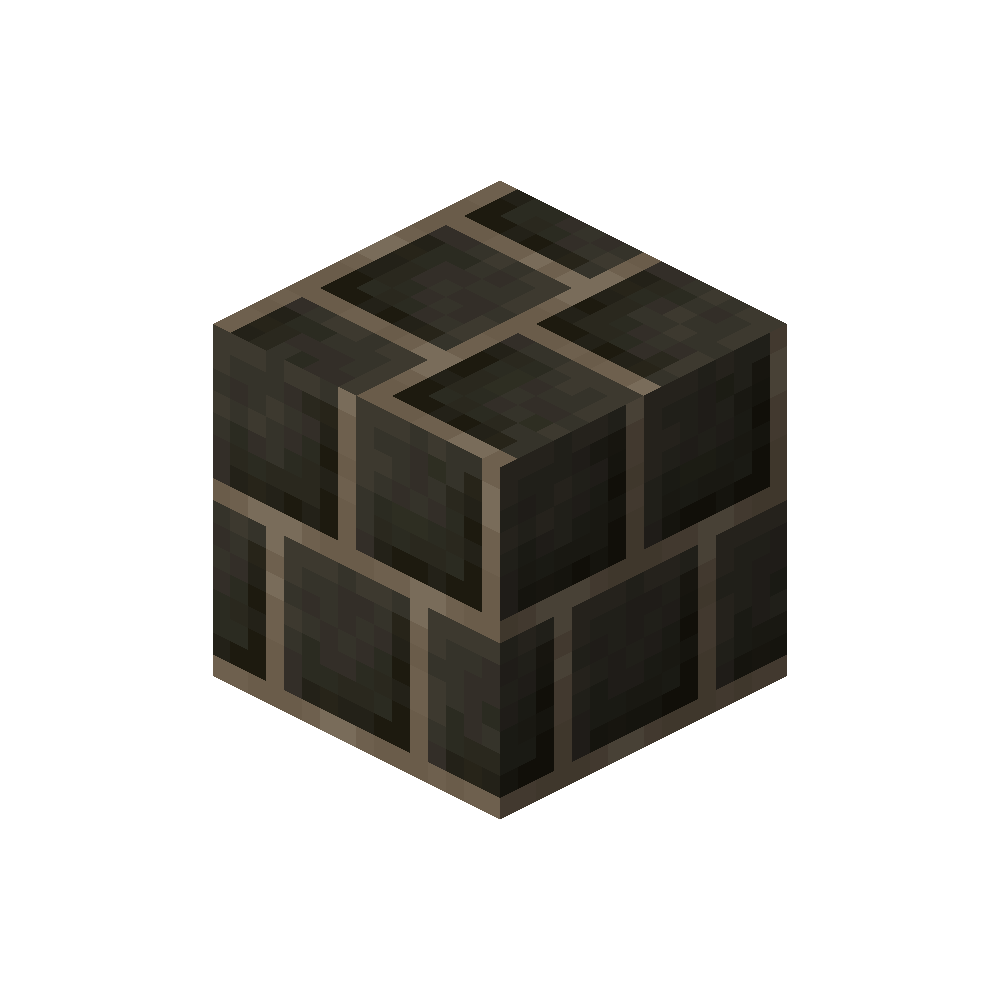
Lili's Pottery is about working with clay. Dig up coloured clay, shape it on the Pottery Table into pots, vases and urns, and fire it in the Kiln with the colours of your choice.
Fill your pots with flowers, glaze them with honeycomb, build with coloured bricks, and carry an Urn with you to keep your belongings safe when you die.
The Clayworker villager trades clay and pottery, and Lili's Statue waits for everyone who collects it all.
Stations and Processing
Workstations and interactive elements used for firing, processing, and finishing pottery pieces.
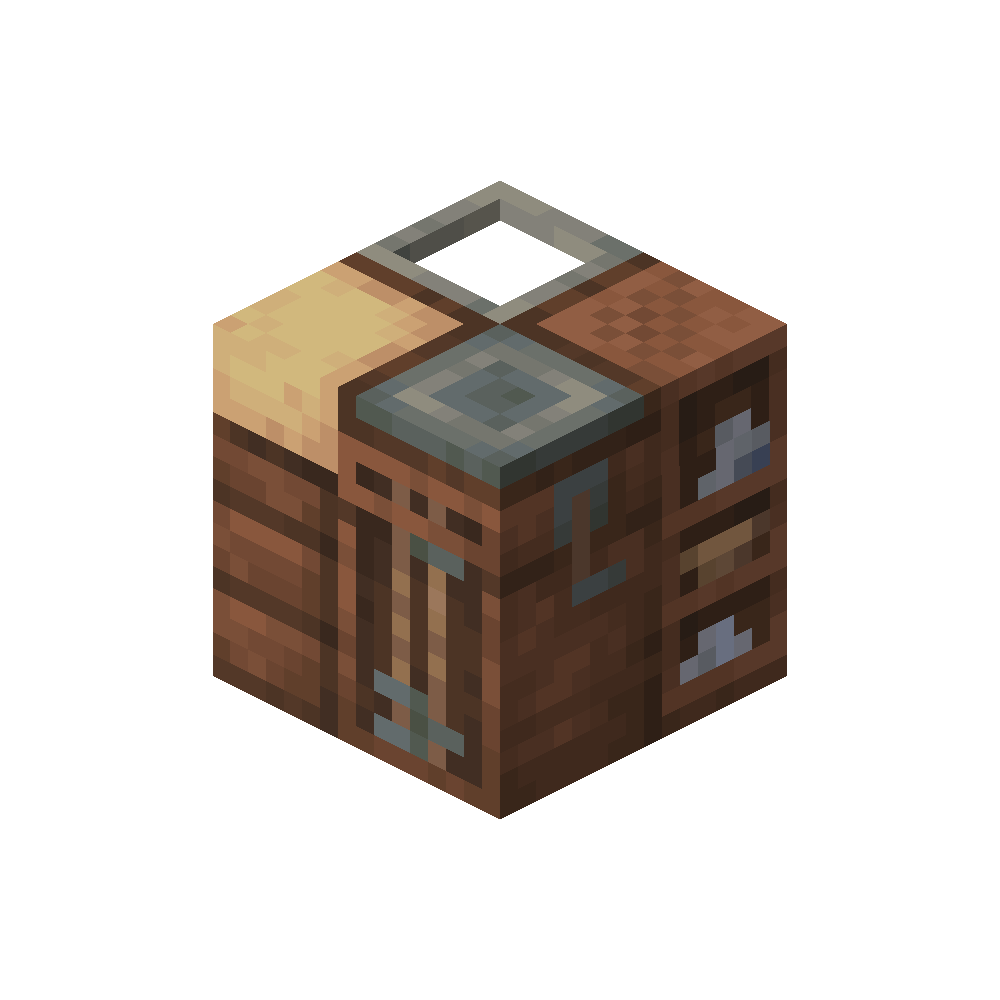
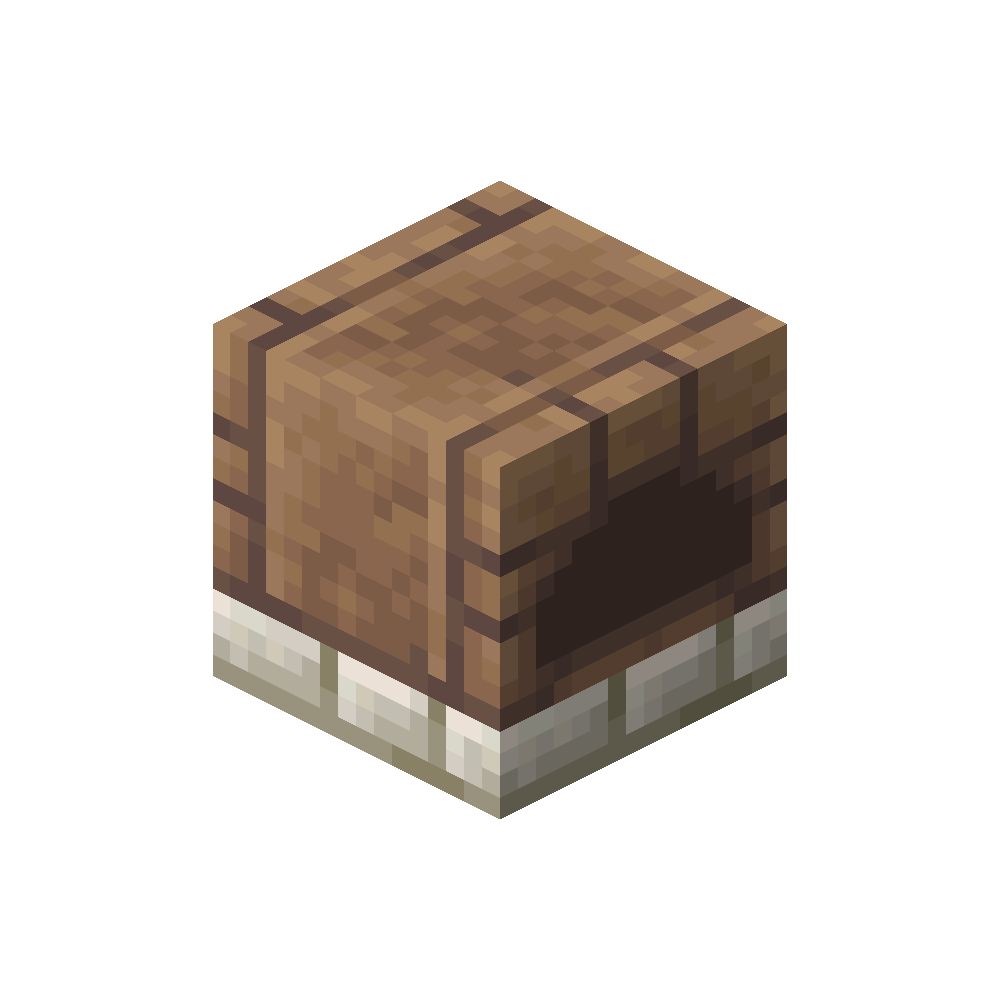
Pottery Table
lilis_pottery:pottery_table
Shapes clay into pots, vases and urns, like a Stonecutter for clay.
Usage
Put clay into the Pottery Table and pick what you want to make from the list, just like with a Stonecutter. Take the result to use up the clay.
The Pottery Table is also the workstation of the Clayworker. There is also Lili's Pottery Table, a fancier version.
Fires your pottery and burns colours into it for good.
Usage
Put a pottery piece in the base slot, a Dye in the modifier slot if you want to colour it, and fuel in the fuel slot. The menu shows a live preview of the result.
Fire a piece several times with different dyes to mix new shades. See Glazing and Coloring.
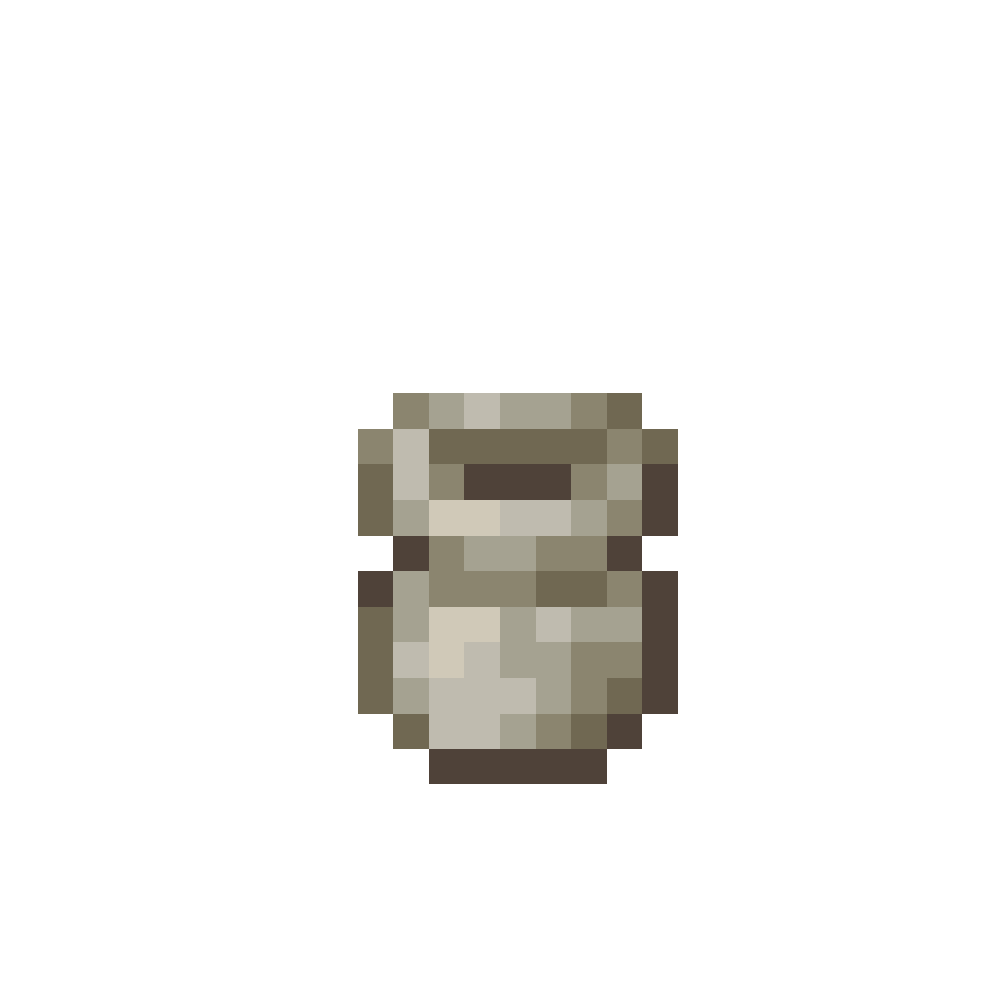
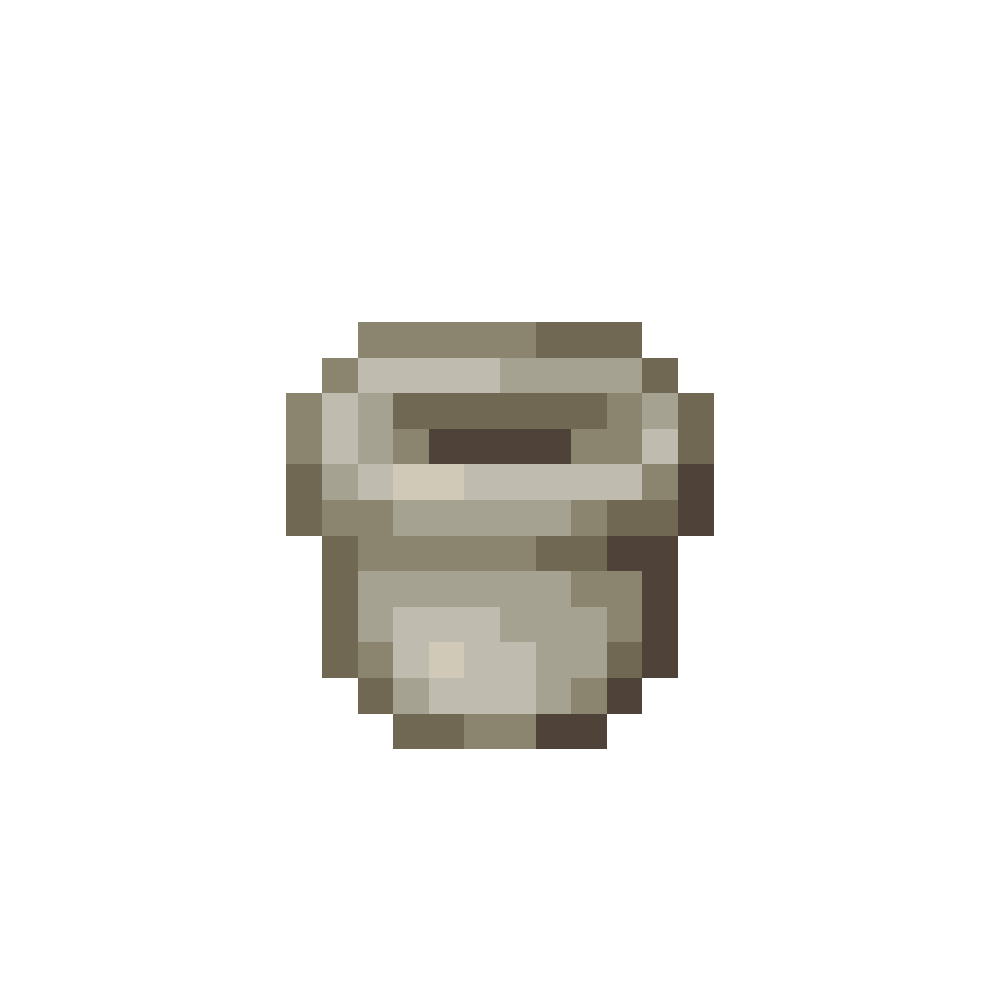
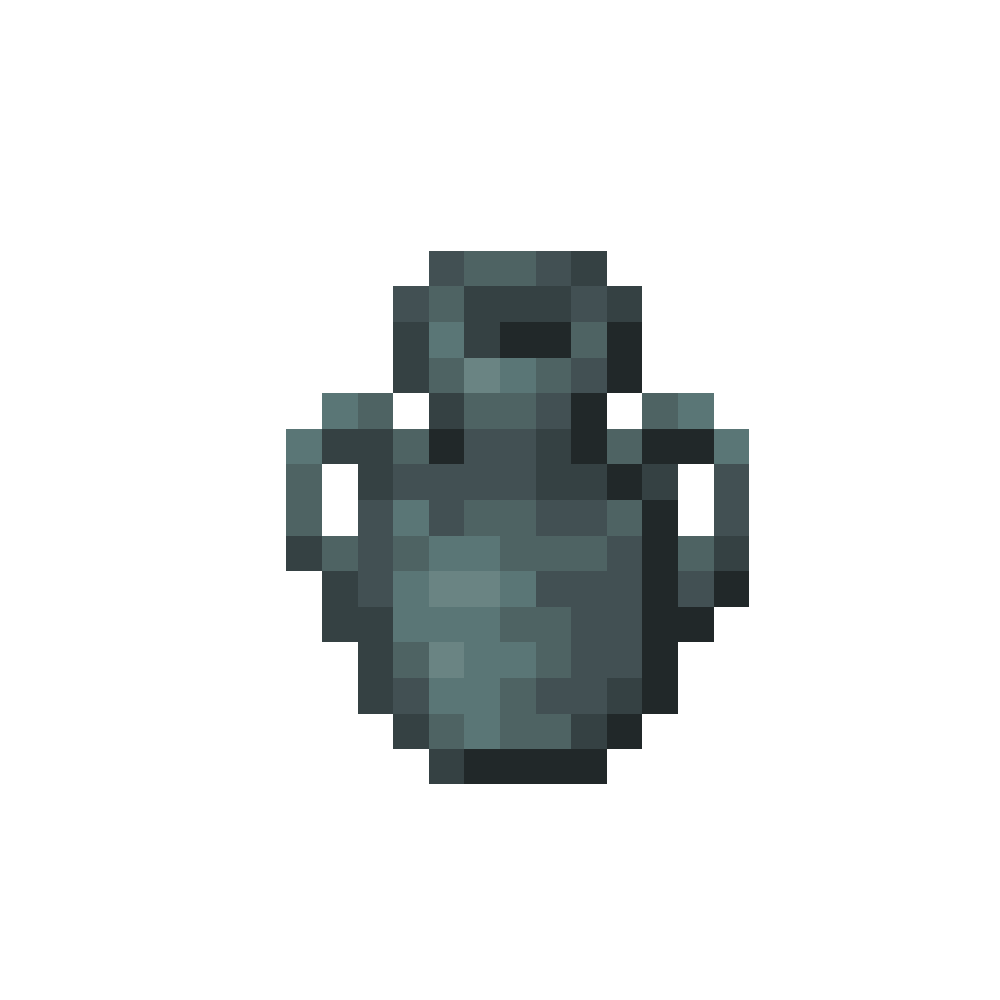
Carry an Urn and your belongings are safe when you die.
Usage
If you die with an Urn in your inventory, it is placed where you died and your whole inventory goes inside it. No scattered items, no despawning. Go back and collect everything from the Urn.
This does not happen when the keepInventory game rule is on.
Urns and Amphores also work as storage and can be coloured and glazed like other pottery.
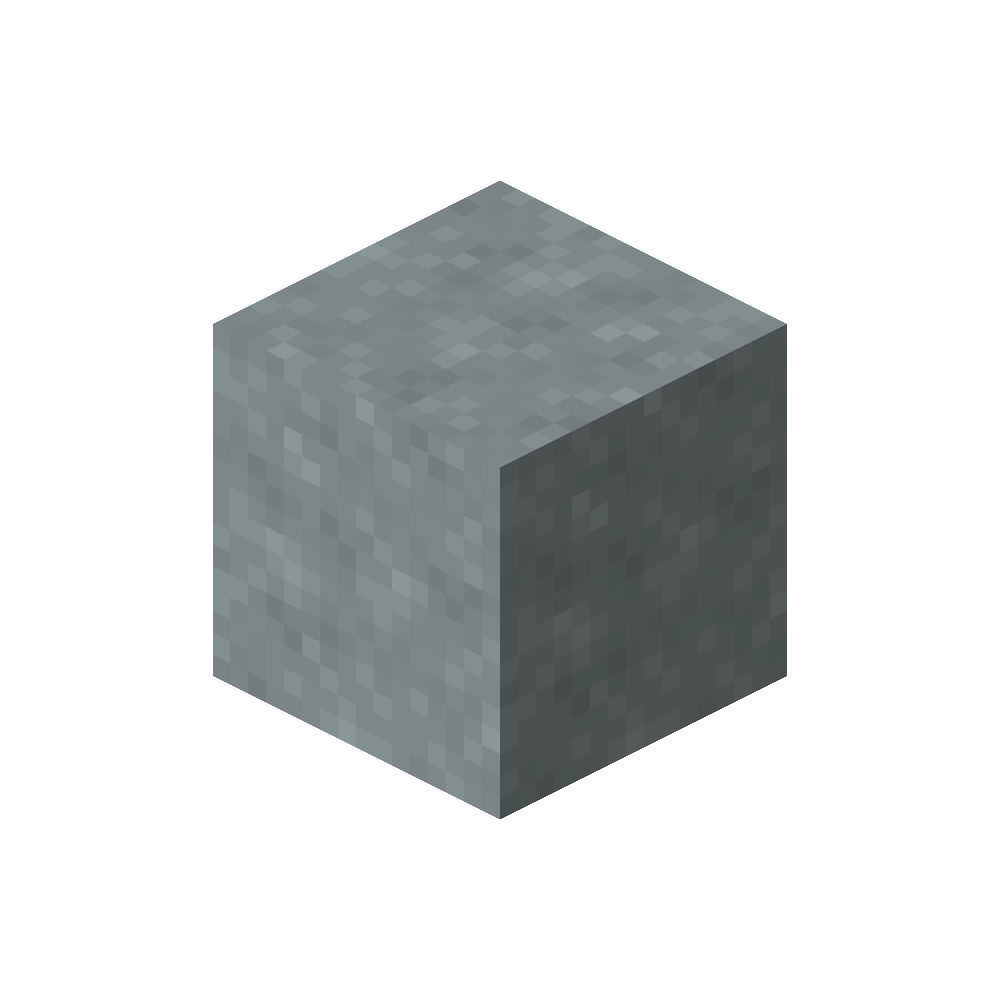
Cool blue clay from taigas, windswept hills and lush caves.
Where to find
Blue Clay generates in Taiga regions, Windswept biomes, and along Rivers. It can also be found in Swamps and Mangrove Swamps, and has an additional deposit type in Lush Caves.
Taiga, Old Growth Pine Taiga, Old Growth Spruce Taiga
Mix colours in the Kiln and give your pottery a glossy finish.
Glazing
Fire pottery in the Kiln with a dye to colour it. Fire it again with another dye to mix the colours and discover new shades.
Use Honeycomb on coloured pottery to glaze it. Every Honeycomb makes the glaze a little stronger, up to eight layers. Glaze only shows on some colours.
To start over, brush the colour off with a Brush.
Pottery can be colored and fired in the Kiln
Colors can be mixed through repeated firing
Glazing only affects certain colors visually
Honeycomb glazes coloured pottery, up to eight times
Water dripping through dyed terracotta slowly turns sand, gravel and clay into coloured clay.
How it works
Build a small drip: water on top, a block of red, yellow, white, blue or black terracotta below it, then a pointed dripstone hanging down. Leave one block of air and put sand, gravel or clay underneath.
Over time the dripping water turns the block at the bottom into clay of the terracotta's colour. A renewable source of coloured clay.